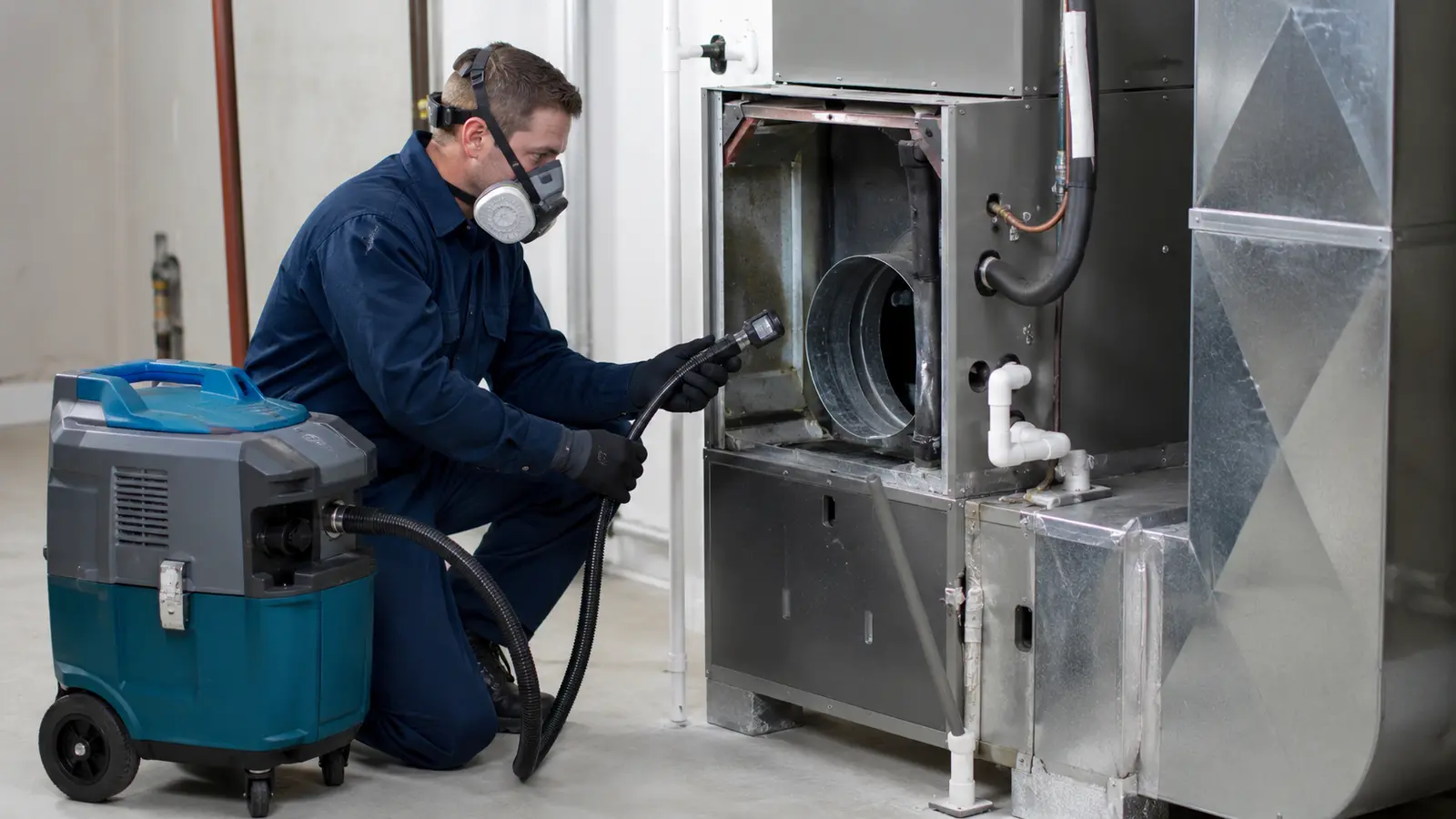
Central air systems are efficient at exactly the thing you don't want when mold is involved: moving air through every room continuously. When mold establishes in ductwork, on an evaporator coil, or in a condensate drain pan — often from a persistently damp coil or a clogged drain line — it becomes a whole-house air quality issue rather than a single-room problem, which is why HVAC mold gets prioritized differently than mold confined to a closet or bathroom.
Raleigh's cooling season runs long and humid, and systems that are slightly oversized for the space (common in additions and older homes with newer HVAC) don't run long enough per cycle to fully dehumidify the air, leaving the coil and surrounding ductwork chronically damp — a textbook mold environment most homeowners never see because it's inside sealed ductwork.
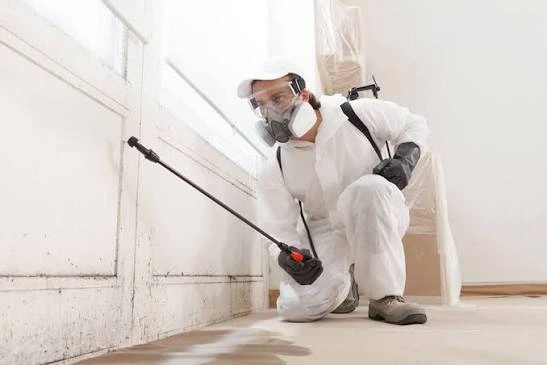
Visual inspection of accessible ductwork, the evaporator coil, drain pan, and air handler, plus a check of the condensate drain line for clogs.
Supply and return ducts are cleaned using negative-pressure equipment and HEPA filtration to prevent spreading contaminated debris through the system during the process.
The evaporator coil, drain pan, and interior air handler surfaces are treated with an EPA-registered antimicrobial specifically rated for HVAC components.
Airflow and drainage are confirmed working correctly post-service, since a mold recurrence is often caused by an unresolved drainage or condensation issue, not incomplete cleaning.
Every job is different, but here's what Raleigh-area homeowners typically pay. For a full cost breakdown across every service and an interactive calculator, see our complete mold remediation cost guide.
| Scenario | Typical Range | Notes |
|---|---|---|
| Duct cleaning + sanitizing (standard system) | $450 – $1,000 | Single-zone residential system, moderate contamination. |
| Coil & drain pan treatment | $250 – $600 | Often bundled with duct cleaning for full-system service. |
| Extensive contamination (multi-zone or heavy mold) | $1,000 – $2,500 | Larger homes or systems with longstanding moisture issues. |
| Condensate line clearing/repair | $150 – $500 | Common root-cause fix to prevent recurrence. |
Start with a professional inspection. We'll tell you exactly what's going on — no pressure, no upsell.