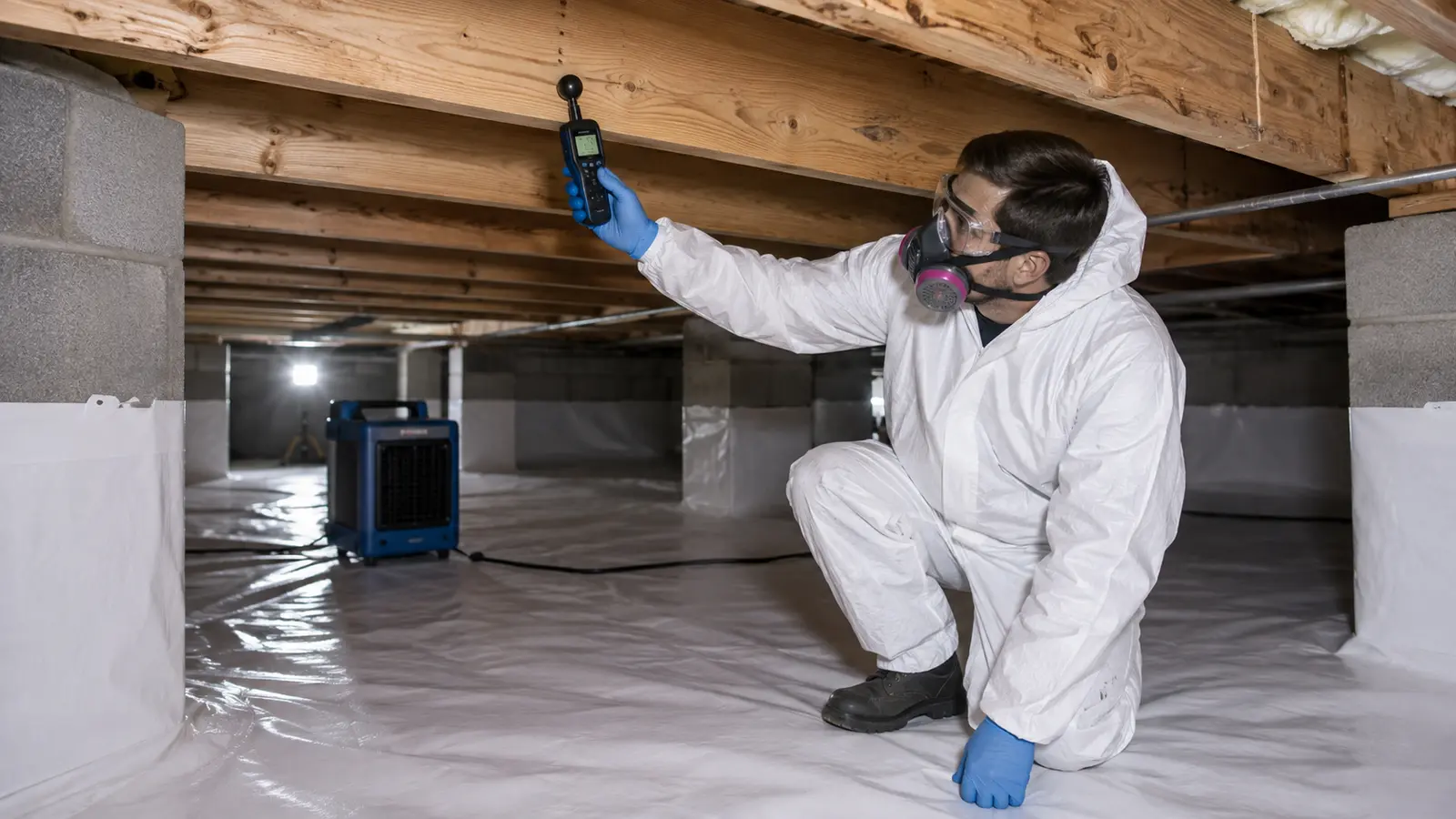
If you own a home in Raleigh built with a traditional vented crawl space — which describes a large share of the Triangle's housing stock — you have the single biggest risk factor for household mold. North Carolina's humid summers push moist outside air into a vented crawl space, where it hits cooler ductwork and framing and condenses. That constant moisture cycle, combined with bare dirt floors that release ground moisture, makes crawl spaces the most common mold source we're called out for across Raleigh, Cary, and Durham.
There are two distinct jobs here, and we're upfront about which one you actually need: mold remediation removes existing growth from the floor joists, subfloor, and framing. Encapsulation is the prevention fix — a sealed vapor barrier, sealed vents, and often a dehumidifier that stops the humidity cycle that caused the mold in the first place. Remediation without encapsulation is treating the symptom; most Raleigh crawl spaces need both.
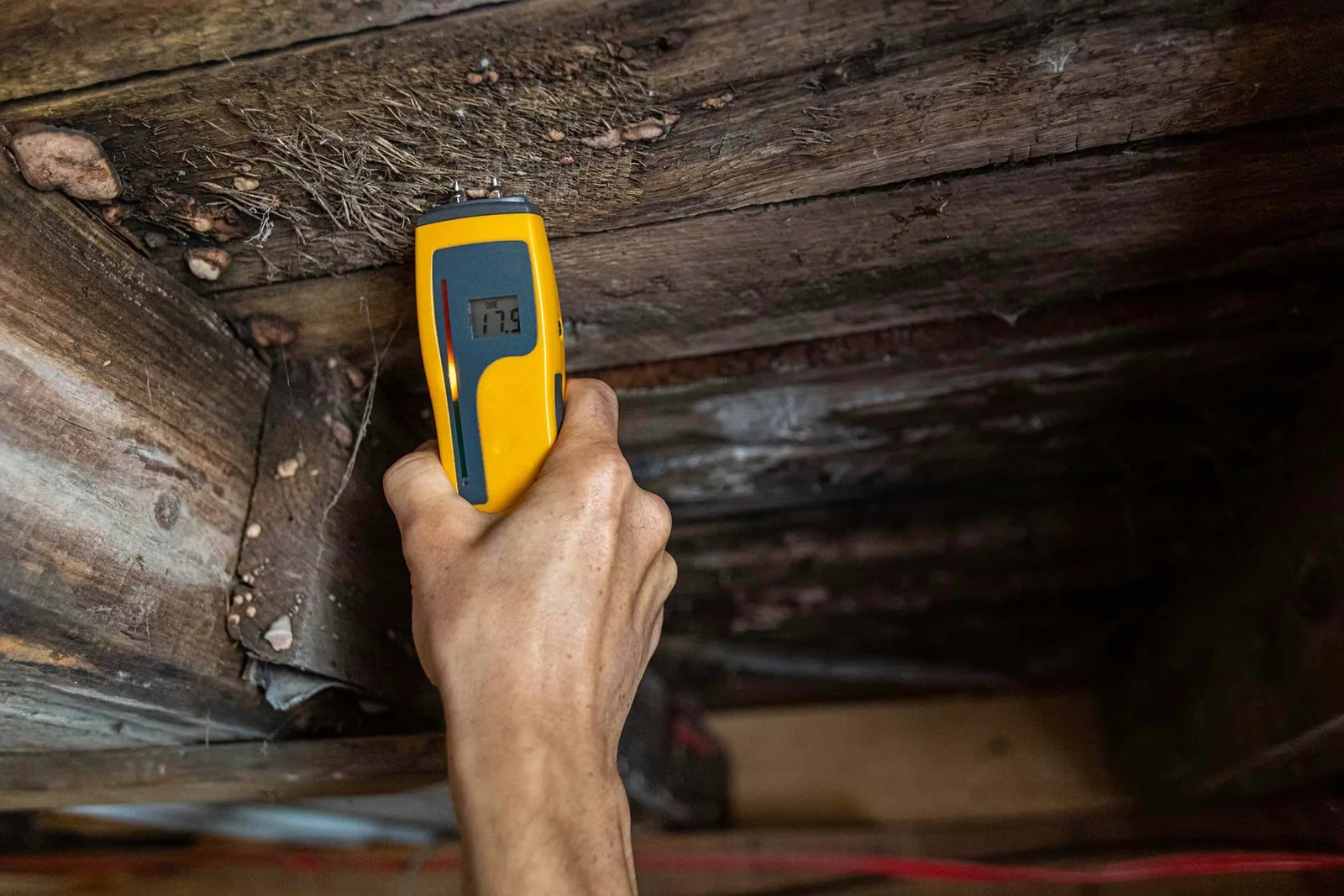
Full walkthrough documenting moisture readings, existing vapor barrier condition, ventilation, and the extent of visible mold on wood framing.
Affected wood surfaces are HEPA-vacuumed and treated with an EPA-registered antimicrobial; severely compromised structural wood is flagged for a structural contractor if needed.
A heavy-duty 10–20 mil vapor barrier is installed across the entire crawl space floor and sealed to piers and walls, cutting off ground moisture at the source.
Vents are sealed (per current NC building code allowances) and, where recommended, a crawl space-rated dehumidifier is installed to maintain humidity below the threshold mold needs to grow.
Every job is different, but here's what Raleigh-area homeowners typically pay. For a full cost breakdown across every service and an interactive calculator, see our complete mold remediation cost guide.
| Scenario | Typical Range | Notes |
|---|---|---|
| Crawl space mold remediation only | $1,500 – $4,000 | Cleaning and treating existing mold without a new vapor barrier. |
| Basic vapor barrier installation | $1,500 – $3,500 | 6–10 mil barrier, standard crawl space, no remediation needed. |
| Full encapsulation (remediation + barrier + sealing) | $5,000 – $13,000 | Most common package for homes with active mold + humidity issues. |
| Add: crawl space dehumidifier | $1,200 – $2,800 | Recommended for consistently high-humidity crawl spaces even after encapsulation. |
Start with a professional inspection. We'll tell you exactly what's going on — no pressure, no upsell.