
In This Article
Mold doesn't always announce itself with visible staining. Plenty of Raleigh homes we inspect have zero visible mold anywhere and still have a real problem hiding in a crawl space, wall cavity, or HVAC system. Here are nine signs worth taking seriously enough to schedule an inspection.
The 9-Point Checklist
- A persistent musty or earthy smell that doesn't go away with cleaning, especially if it's stronger in one specific room, closet, or near the HVAC vents.
- Allergy or respiratory symptoms that improve when you leave the house — sneezing, congestion, coughing, or eye irritation that seems tied to being home rather than a seasonal pattern.
- Worsening asthma symptoms for household members with existing asthma, without another clear trigger.
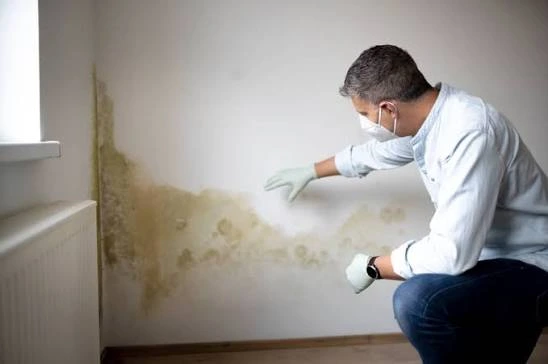
- Visible discoloration anywhere — even small spots on grout, drywall, wood trim, or ceiling tiles are worth a closer look.
- A known unresolved water event — any leak, flood, or spill that wasn't fully dried within 24–48 hours is a real risk, even if you don't see mold yet.
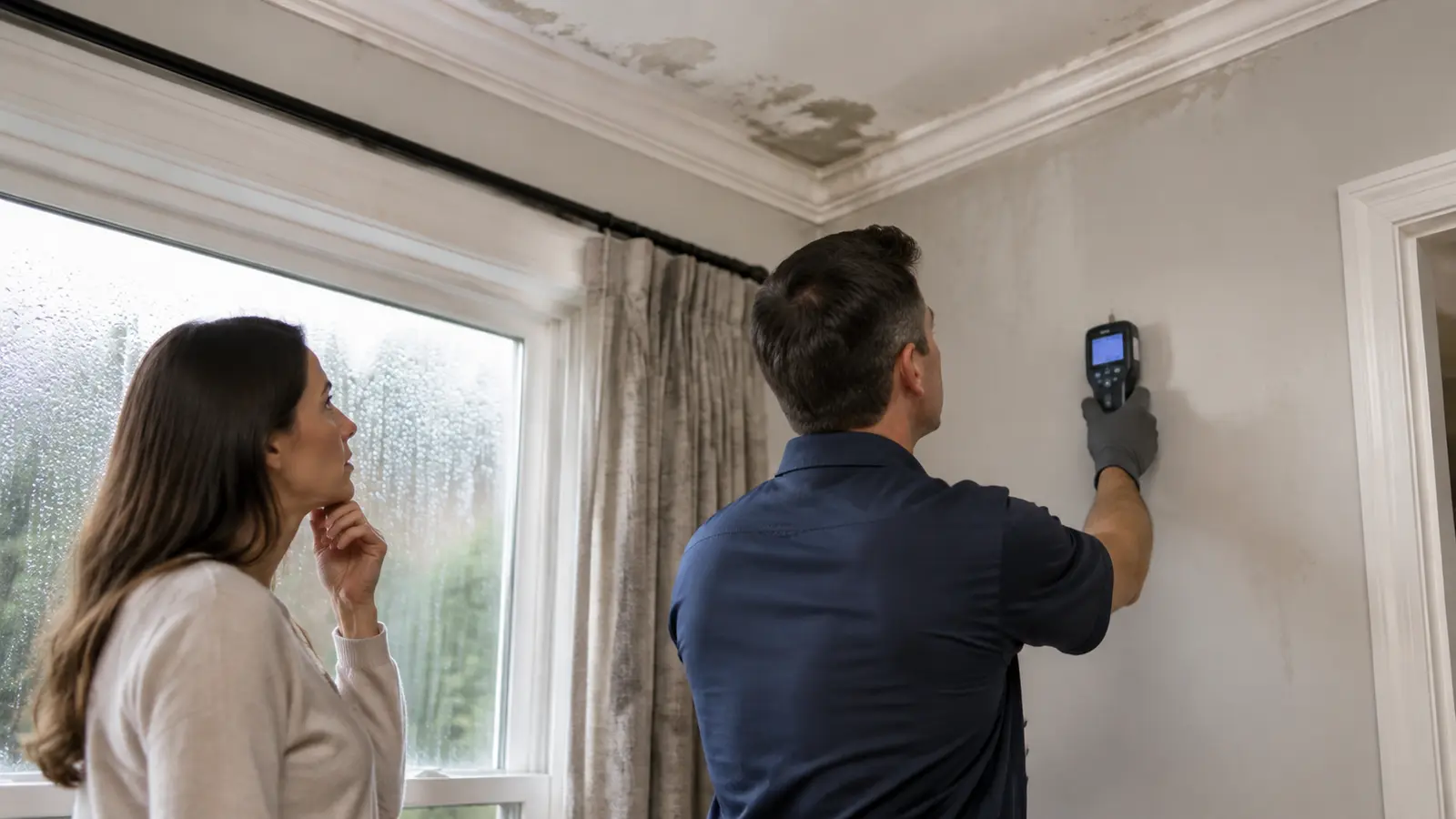
- Condensation on windows or pipes, indicating indoor humidity is running higher than it should — a leading indicator, not proof of mold yet, but worth monitoring.
- Warped, bubbling, or peeling paint or wallpaper, often a sign of moisture intrusion behind the surface.
- A crawl space or attic you haven't personally inspected in over a year — these are the most common hiding spots for mold that never becomes visible from inside the living space.
- Musty smell specifically when the HVAC system turns on, suggesting contamination in the ductwork, coil, or drain pan.
What Might Not Be Mold
Not every musty smell or dark spot is mold — mineral deposits, dirt, soot, and some wood discoloration can look similar. That's exactly why a proper inspection (rather than a guess based on appearance alone) matters before you spend money on remediation you might not need, or ignore something you should address.
If Two or More of These Apply to You
A single item on this list, especially something like normal seasonal allergies, isn't necessarily cause for concern. But if two or more apply — particularly a persistent smell combined with a known past water event, or worsening symptoms combined with visible discoloration — it's worth scheduling a professional inspection rather than waiting to see if it gets worse.